

“Every Man a Rembrandt!” That was the memorable promise behind the paint-by-numbers craze that swept through homes in the 1950s.
The appeal was simple: you did not need to know how to draw, mix the perfect shade or plan a composition. The picture and colours were already mapped out for you. All you needed to do was pick up a brush and follow the numbers.
Decades later, paint by numbers still has much the same appeal. It is an accessible way for complete beginners to enjoy painting, switch off for a while and slowly watch a finished artwork emerge one section at a time.
If you have never tried it before, here is everything you need to know to get started.
What Is Paint by Numbers?
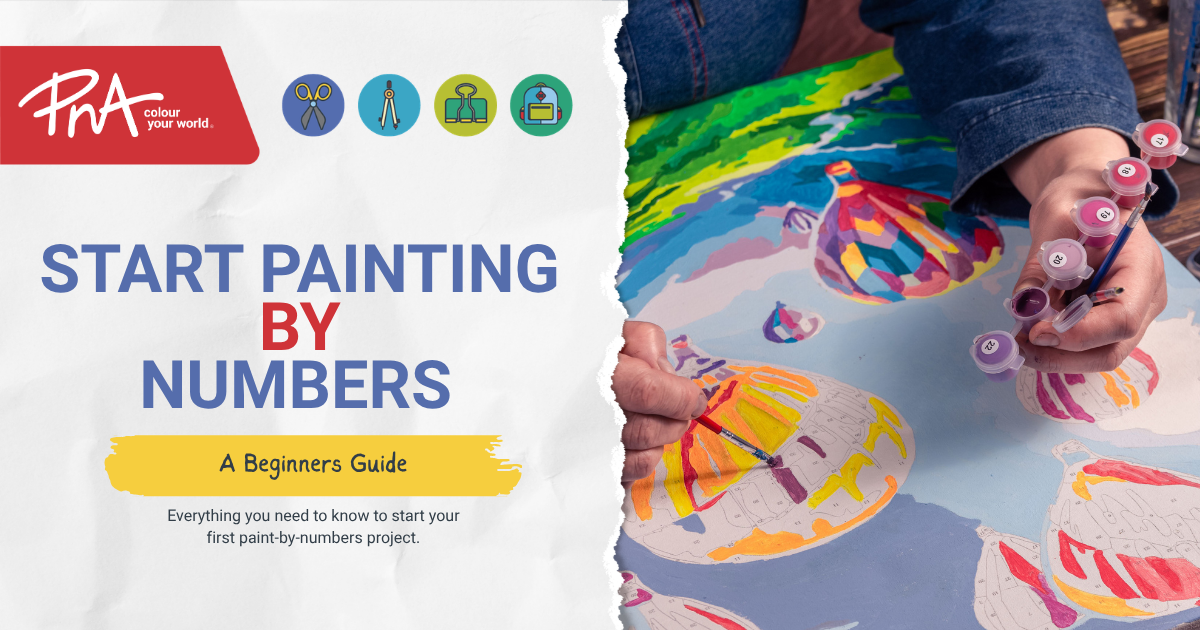
Paint by numbers is a guided painting activity in which an image is divided into lots of small, numbered sections.
Each number corresponds to a particular paint colour. For example, every area marked “3” might be painted blue, while every section marked “7” could be green.
As you gradually fill in the numbered areas with the matching colours, the outlines disappear and the complete picture starts to take shape.
Most paint-by-numbers kits include:
- A pre-printed canvas or canvas board
- Numbered paints
- One or more paintbrushes
- A reference image of the finished design
It takes much of the guesswork out of painting, which makes it particularly appealing to beginners.
You do not need to know how to sketch the subject, work out perspective or decide which colours belong where. The kit has already done those parts for you, allowing you to focus on the enjoyable part: painting.
The Surprisingly Interesting History of Paint by Numbers
Paint by numbers may feel like a modern craft trend, but its story goes back more than 75 years.
Commercial artist Dan Robbins developed the idea while working for the Palmer Paint Company in Detroit during the late 1940s. Robbins later said he drew inspiration from stories of Leonardo da Vinci using numbered background patterns when teaching students and apprentices. (Smithsonian Magazine)
Palmer Paint began selling the kits under its Craft Master brand in 1951. By 1954, more than 12 million kits had been sold. Each kit included two brushes, numbered paints and an outlined image printed onto a canvas-covered board.
“Every Man a Rembrandt!”
The kits were promoted with the wonderfully confident slogan “Every Man a Rembrandt!”
It captured exactly what made the idea so popular: people who had never considered themselves artistic suddenly had a way to pick up a brush and produce a picture they could actually display.
Smithsonian’s history of the craze notes that paint by numbers introduced millions of people to painting, with some eventually moving beyond the numbered guides and trying their own creative projects.
That same beginner-friendly idea is still a big part of the hobby today.
Why Do People Love Paint by Numbers?
There is something very satisfying about watching a blank, numbered canvas slowly turn into a finished picture.
But that is only part of the appeal.
You Don’t Need Painting Experience
One of the biggest advantages of paint by numbers is that you can start without any formal art experience.
The design, colour choices and composition have already been worked out, so you can concentrate on following the guide and getting comfortable with the brush.
That makes it far less intimidating than sitting in front of a blank canvas wondering where to begin.
It’s a Relaxing, Low-Pressure Hobby
Painting one small section at a time can be a wonderfully simple way to slow down.
Many people enjoy paint by numbers for much the same reason they enjoy colouring books, puzzles or other hands-on hobbies: there is a clear task to focus on without pressure to invent something from scratch.
You can complete a few sections after work, spend a quiet weekend afternoon painting or come back to the same picture whenever you have time.
You Build Skills While You Paint
Although the picture provides a guide, you are still practising useful painting skills.
Over time, you can improve:
- Brush control
- Painting within fine areas
- Paint consistency
- Colour awareness
- Patience and attention to detail
As your confidence grows, you may even start blending colours, softening edges or adding small details of your own.
It Works for Different Ages and Occasions
Paint by numbers can also make a lovely gift or shared activity.
A simpler design may suit older children and teens discovering painting for the first time, while detailed landscapes, animals, florals or portraits can keep adults occupied for hours.
It can work equally well as a rainy-day project, holiday activity or a creative weekend hobby.
What Do You Need to Start Paint by Numbers?
The easiest way to begin is with a complete paint-by-numbers kit because most of the essentials will already be included.
Depending on the kit, you may want a few extra items to make painting more comfortable.
Your Beginner Paint-by-Numbers Checklist
Have these ready before you begin:
- Your paint-by-numbers canvas or kit
- Numbered paints
- Paintbrushes
- A cup of clean water
- Paper towel or an old cloth
- A flat, stable work surface
- Good lighting
- An apron or old shirt
- A protective covering for your table
If you want extra brushes or painting supplies, browse PNA’s paint and paint supplies, paintbrushes and paintbrush sets.
An art apron or protective wear is also useful if you would rather keep the paint on the canvas than on your clothes.
How to Paint by Numbers Step by Step
Once your workspace is ready, it is time for the fun part.
There is no single “correct” way to complete a paint-by-numbers picture, but following a simple order can make your first project much easier.
Step 1: Set Up Your Painting Space
Choose a flat surface with plenty of light and enough room to spread out your paints.
Before you begin, arrange the paint pots in numerical order so you can easily find the colour you need.
Keep your water and paper towel close by too.
Step 2: Start With the Larger Areas
For a first project, it can be helpful to begin with some of the larger numbered sections.
These areas are easier to paint and allow you to get comfortable with the brush before tackling very fine details.
You can either work through one colour at a time or complete one section of the picture before moving to another.
Step 3: Give the Paint Time to Dry
Try to let one area dry before painting directly alongside it, particularly when you are working with contrasting colours.
This can help prevent wet colours from accidentally smudging or blending into one another.
Most paint-by-numbers kits use quick-drying paint, so you usually will not have to wait very long.
Step 4: Clean Your Brush Between Colours
Rinse the brush thoroughly whenever you change colours.
Gently wipe away excess water on a paper towel before dipping the brush into the next paint pot.
This is especially important when moving from a dark colour to a lighter one, as even a small amount of leftover pigment can change the new colour.
Step 5: Save the Fine Details for Later
Once most of the larger sections are finished, move on to the tiny areas and detailed lines.
A fine paintbrush gives you greater control here.
If the brush supplied with your kit feels too large for the smallest sections, a finer brush from PNA’s paintbrush range can make those final details easier.
Step 6: Let Your Finished Painting Dry
When the final numbered section has been filled in, place your artwork somewhere safe and allow it to dry completely.
Then take a proper look at what you have created.
You can leave it as it is, frame it, display it on a shelf or give the finished piece as a gift.
Paint by Numbers Tips for Beginners
Your first painting does not need to be perfect.
A few simple habits can, however, make the process more enjoyable.
Choose a Simple Design First
That highly detailed cityscape might look impressive, but it may not be the best first project.
Start with a smaller canvas or a design with larger sections. Once you know you enjoy the process, you can move on to something more intricate.
Paint Somewhere With Good Light
Good lighting makes it much easier to read tiny numbers and see where one outlined section ends and another begins.
If natural daylight is available, even better.
Don’t Stress About Small Mistakes
Paint slightly over a line? Used the wrong shade in a tiny section?
Keep going.
Small imperfections tend to disappear once the picture is complete, and they certainly do not mean you have ruined the painting.
The whole point of paint by numbers is to enjoy the experience rather than chase perfection.
Keep Your Paints Closed When You’re Not Using Them
Paint can dry out when left exposed to air, so open only the colour you are currently using and close each pot properly when you are finished.
If you are experimenting beyond a kit, PNA also stocks acrylic paint sets and craft paints for other creative projects.
Ready to Give Paint by Numbers a Try?
You do not have to consider yourself an artist to enjoy painting.
That was the appeal of paint by numbers when Dan Robbins helped launch the craze in the 1950s, and it is still what makes the hobby so approachable today.
Start with a design you like, give yourself a comfortable place to work and take it one numbered section at a time.
By the end, you will not only have a finished picture to show for it; you may also discover a new creative hobby you want to keep exploring.
Get Your Painting Supplies Ready
Explore PNA’s paint and paint supplies, acrylic paint sets and paint brushes for everything you need to get creative.