The first few weeks back at preschool are a mix of excitement, nerves and very big feelings in very small bodies. New classroom. New routines. New faces. For teachers and early childhood educators, this is the window where you gently build confidence, encourage independence and help learners feel at home.
That is where hands-on preschool craft activities become more than just “something to do”.
The right classroom craft ideas for preschool learners support fine motor skills, early literacy, sensory development and social confidence, all while feeling playful and manageable. And when you have the right art and craft supplies on hand, setting up these low-prep activities becomes a whole lot easier.
Here are simple, joyful preschool classroom crafts that are perfect for those first few weeks back at school.
Name Art That Makes Them Beam
There is nothing quite like a child spotting their name on the wall and shouting, “That’s mine!”
Name-based preschool craft activities are a brilliant back-to-school classroom idea because they combine early literacy skills with belonging. Recognising letters, tracing shapes and hearing their name repeated all support early reading foundations.
Using coloured cardstock, chunky crayons, foam letters, glue sticks and textured craft materials from PNA, you can turn a simple sheet of paper into something meaningful.
Write each learner’s name in large block letters. Let them trace over the letters, colour them in, or decorate them with pom poms, paper scraps or stickers. Some will be neat. Some will be wildly expressive. Both are perfect.
Once they are up on the classroom wall, the space changes. It feels welcoming. It feels personal. And every time a learner sees their name, they are reinforcing letter recognition without even realising it.
This is what strong early childhood classroom crafts do. They look like fun, but they quietly build important skills.
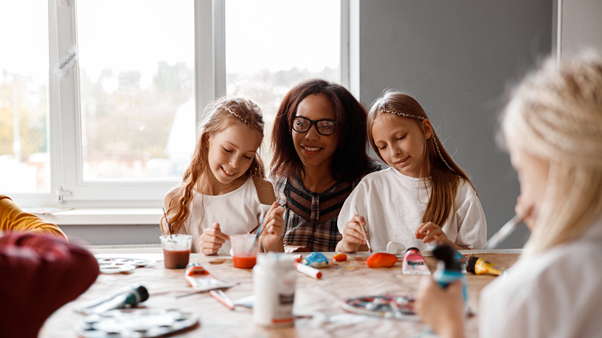
Texture Collages: Sensory Play with Purpose
Preschool learners explore through touch. Texture-based art activities are one of the most effective ways to support sensory development and fine motor skills in early childhood classrooms.
Set up a simple texture collage station using coloured paper, tissue paper, fabric scraps, corrugated cardboard, cotton wool and glue sticks from your classroom craft supplies. Give each child a base sheet and let them tear, cut or scrunch materials before sticking them down.
You can theme it around “All About Me”, seasons, animals or simply let it be free exploration.
Tearing paper strengthens small hand muscles. Picking up tiny pieces improves coordination. Gluing builds control and patience. And because there is no single correct outcome, children feel successful no matter what their collage looks like.
For preschool teachers looking for easy classroom craft ideas that are low-prep but high-impact, this one always works.
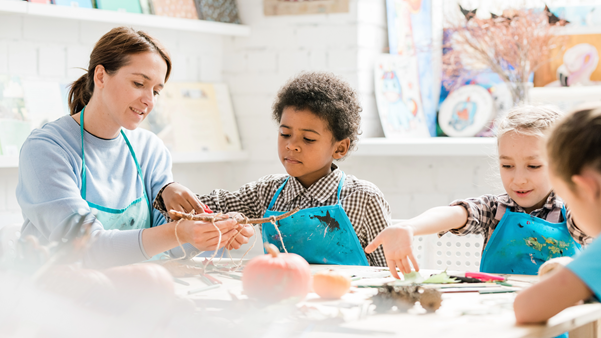
Tear, Scrunch, Stick: The Fine Motor Workout
Before children can hold a pencil confidently, they need strong fingers.
One of the simplest preschool fine motor craft activities involves tearing and scrunching paper. It feels playful, but it is doing important developmental work.
Using construction paper, tissue paper and glue sticks from PNA, provide learners with large printed outlines such as a balloon, a tree or a friendly animal. Instead of cutting at first, encourage them to tear paper into pieces and scrunch them into small balls before sticking them inside the shape.
This kind of guided sticking activity strengthens grip, builds control and prepares hands for early writing skills.
It is also wonderfully easy to facilitate during those busy first weeks when routines are still forming.
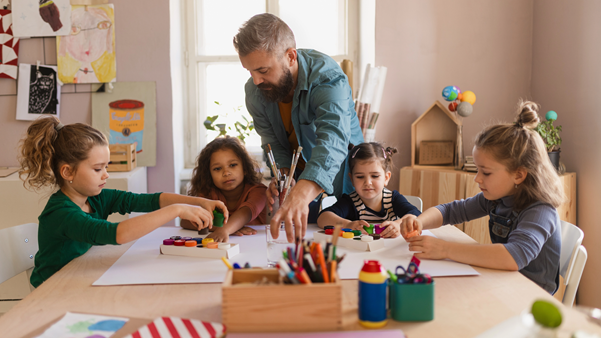
Painting Projects That Build Confidence
Painting is always a preschool favourite, but with a little structure, it becomes more than just a colourful afternoon.
Simple painting projects for preschool learners can support colour recognition, pattern awareness and hand control. Try sponge painting shapes, finger painting over their name letters, or dot painting with cotton buds to practise precision.
Using washable poster paints, paint trays and aprons from PNA makes clean-up manageable while keeping the activity fun and accessible.
The key is keeping instructions simple and celebrating effort. When children see their painted work displayed, even the shy ones begin to feel more confident in the classroom environment.
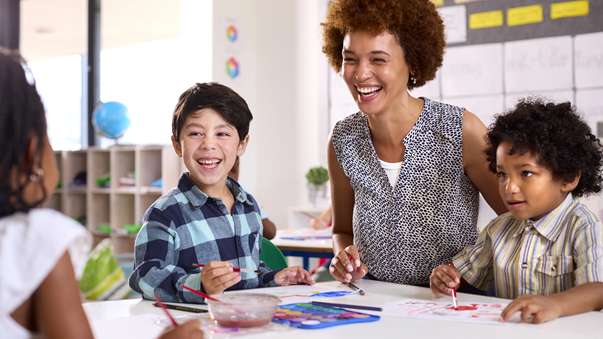
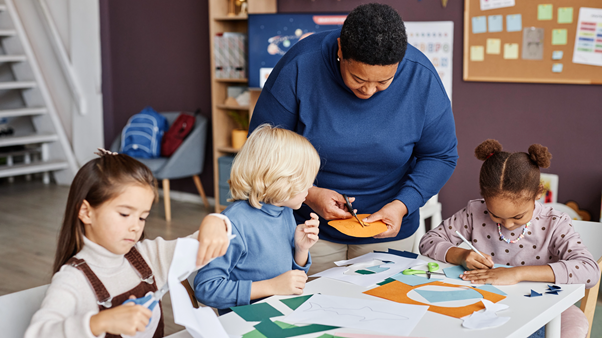
Guided Cutting and Sticking for Growing Independence
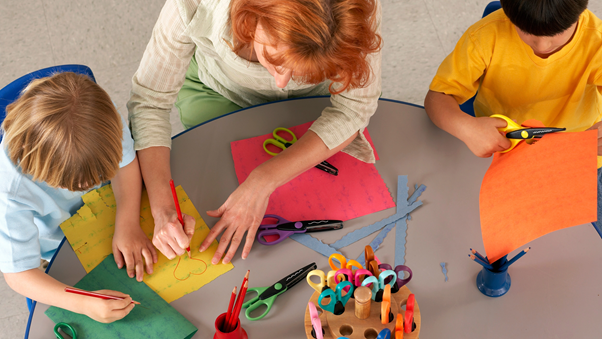
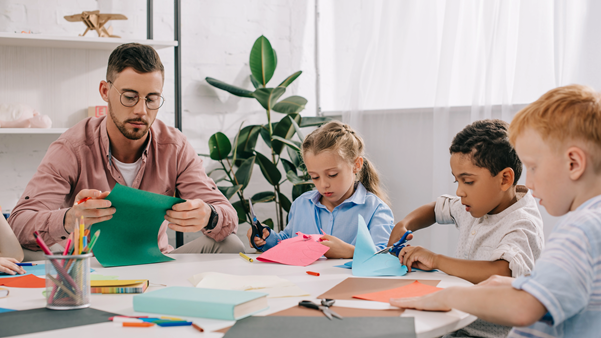
Scissor skills do not happen overnight. Guided cutting and sticking activities help preschool learners develop control while building independence.
Start with straight lines drawn on thick paper. Then move to simple curved lines. Once they are ready, let them cut basic shapes and glue them together to create faces, houses or animals.
Child-safe scissors, glue sticks and sturdy coloured paper from PNA make these classroom craft sessions safe and practical to manage.
These early childhood craft activities teach more than cutting. They teach concentration, patience and the pride of completing something on their own.
Creating a Classroom That Feels Like Theirs
The first few weeks back at preschool are not about perfection. They are about building rhythm, trust and confidence. Thoughtful preschool craft activities help children settle in because they give them something tangible to create, hold and proudly show.
When your classroom is filled with name art, texture collages, painted shapes and carefully cut creations, it starts to feel lived in. It feels warm. It feels like a place where little hands are welcome to explore.
With the right preschool classroom supplies, art materials and craft essentials from PNA, teachers can keep activities simple while still supporting important early development milestones.
Because when little hands are busy making, learning happens naturally. And those first few weeks back at school start to feel less overwhelming and a lot more joyful.