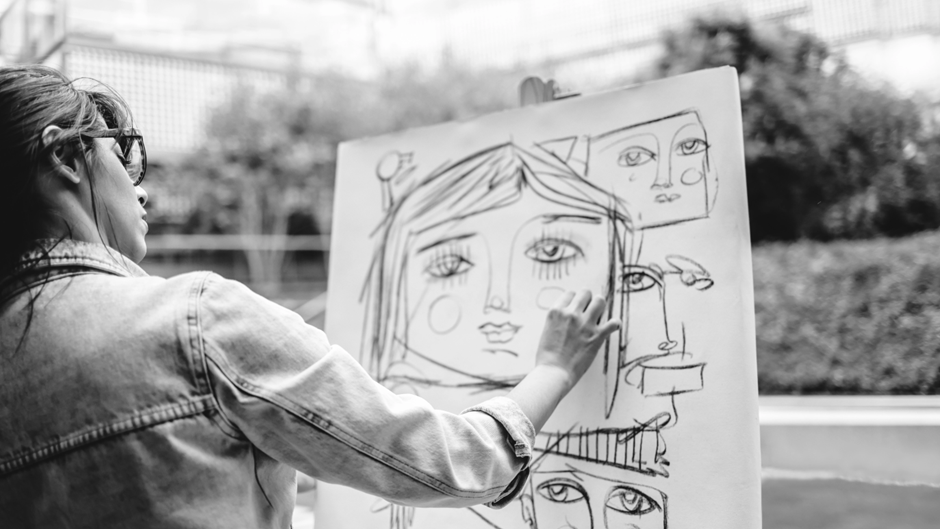
There’s something beautifully raw about charcoal drawing. It’s tactile, expressive, and full of texture. It turns smudges into stories and shadows into form. Whether you’re an artist at heart or simply looking for a creative outlet this year, charcoal is one of the most rewarding ways to explore light, depth, and emotion on paper.
The best part is that you don’t need a studio or fancy setup to start. Just a few simple tools from PNA, a quiet corner, and the freedom to get your hands a little dusty.
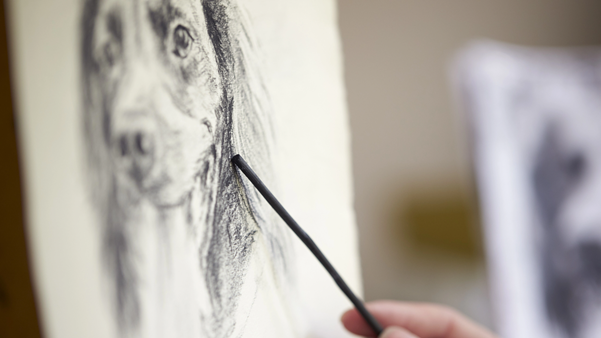
1. Getting to Know Your Charcoal
Charcoal isn’t one-size-fits-all. There are a few types, each with its own texture and effect, and it’s worth experimenting to find what feels right.
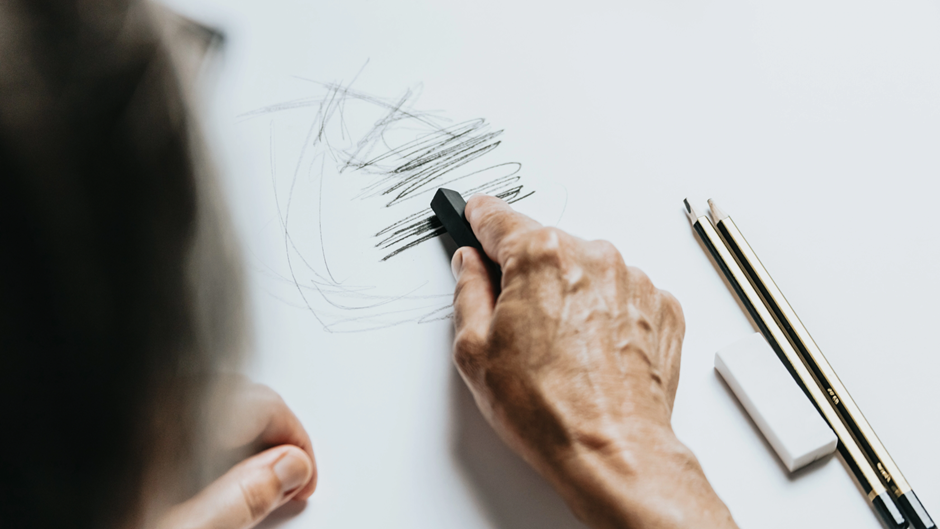
- Vine charcoal is soft, light, and perfect for sketching rough outlines or building up tone gradually. It erases easily, which makes it ideal for beginners.
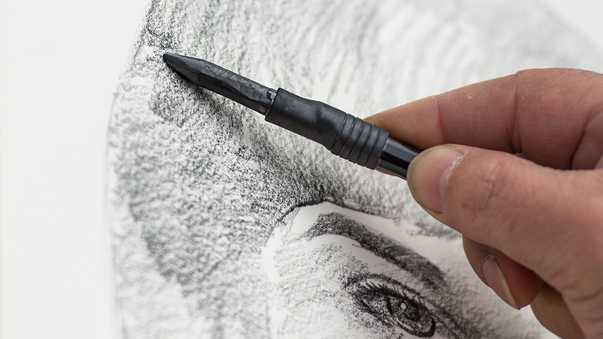
- Compressed charcoal comes in sticks or pencils and gives you those rich, velvety blacks perfect for shadows and detail work.
- Charcoal pencils offer more control and are great for finer lines, textures, or when you want less mess.
You can find all three at PNA, along with blenders, erasers, and sketch pads suited for dry media. Start with a mix of vine and compressed sticks and you’ll quickly see how each one behaves differently on paper.
2. Choosing the Right Paper
Charcoal needs a surface with a bit of grip, or “tooth,” to catch and hold the pigment. Smooth printer paper won’t do the job because it slides and smudges.
Look for medium to heavyweight paper that’s labelled for charcoal, pastel, or mixed media. Textured sketch pads work beautifully, and PNA’s fine art range offers several options depending on how detailed you want your work to be. If you really want to experiment, try charcoal on canvas.
If you’re just practising, tape your paper to a board or table to prevent slipping. That way you can move your arm freely and focus on the flow of the strokes.
3. Building Your Drawing Step by Step
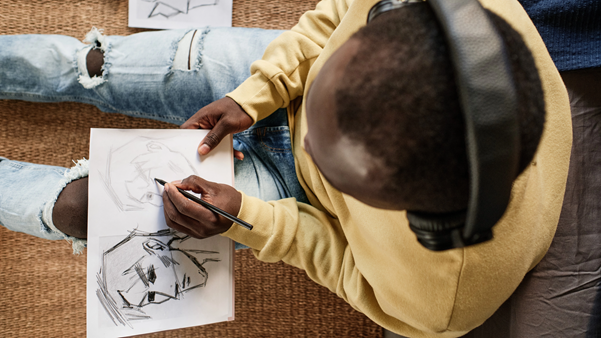
Charcoal isn’t about perfection. It’s about progression. You start loose, then layer, refine, and shape until your piece starts to come alive.
- Start light: Use vine charcoal to block out your basic shapes. Think of it as sketching with air, light and forgiving.
- Add shadows: Move to compressed charcoal for darker areas. Don’t press too hard; instead, build the tone gradually.
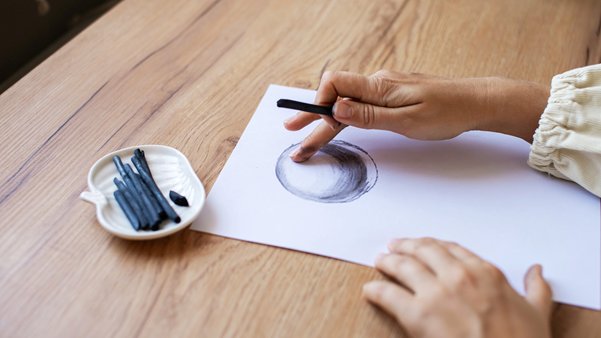
- Blend and soften: Use your finger, a tissue, or a blending stump from PNA to blur transitions and create that beautiful gradient between light and dark.
- Lift highlights: A kneaded eraser is your best friend here. Gently dab or roll it over areas where you want to bring back light, like reflections or facial contours.
You’ll quickly find that charcoal has a rhythm to it. The more you play, the more natural it feels to switch between adding, blending, and lifting tone.
4. Fixing and Preserving Your Artwork
Charcoal drawings are delicate, and one wrong brush of a hand can smudge hours of work. That’s where a fixative spray comes in. A light mist helps seal your drawing and prevent smearing without dulling the contrast.
If you don’t have fixative yet, you can store finished pieces between sheets of glassine or tracing paper. Just avoid regular paper, which can rub off the charcoal.
PNA stocks both workable fixatives (which let you keep drawing after spraying) and final fixatives (which permanently seal the piece). If you’re serious about your art, it’s worth having both.
5. Practice Exercises to Try
Getting started can feel intimidating, so here are a few quick exercises to loosen up your hand and sharpen your eye:
- Value Scales: Draw a rectangle and fill it from light grey to black, practising how much pressure and layering it takes to create each tone.
- Still Life Shadows: Place a mug or fruit under a lamp and focus just on capturing the light and shade, not the detail.
- Texture Play: Use different strokes and tools to mimic textures like wood grain, cloth, or hair.
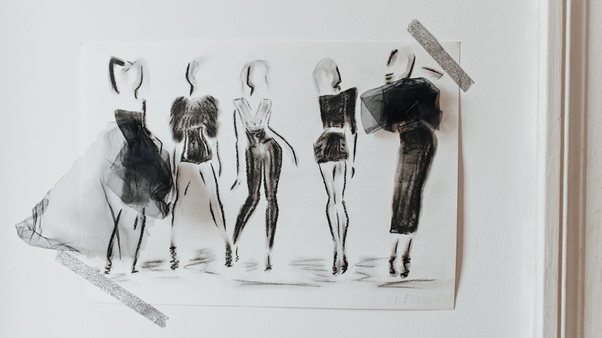
- Gesture Sketches: Do 30-second sketches of objects or people in motion to train your hand to move confidently and intuitively.
Each exercise builds control, awareness, and confidence. Within a few sessions, you’ll start to notice your lines getting bolder, your shadows smoother, and your eye keener.
6. The Beauty of Imperfection
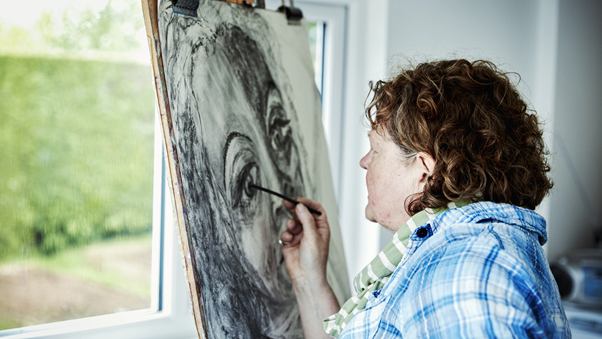
The real joy of charcoal lies in its unpredictability. The smudges, the rough edges, the fingerprints — they’re part of the art. Every mark tells a story about movement and emotion.
So don’t be afraid of mistakes. Charcoal invites them. In fact, the best pieces often come from happy accidents, a bold shadow, a lifted highlight, a smudge that suddenly turns into something real.
Your Starter Kit at PNA
You’ll find everything you need to get started at your nearest PNA:
- Vine, compressed, and pencil charcoal sets
- Sketch pads and textured paper
- Kneaded and precision erasers
- Blending stumps and fixative sprays
- Drawing boards, clips, and storage sleeves
Start small, experiment freely, and let the medium surprise you. Charcoal isn’t just about drawing, it’s about seeing differently.
Create, Smudge, Repeat
Art doesn’t always need colour to have impact. With just black, white, and the space in between, charcoal lets you explore light, depth, and emotion in the simplest, most satisfying way possible.
So, grab a stick, clear your workspace, and start sketching your way into the new year. With PNA’s quality art supplies, every stroke brings you one step closer to finding your creative rhythm.